
China is almost the size of the United States or Europe, and its geography is just as varied: high plateaus, vast deserts, lush river valleys and thousands of kilometres of coastline. The land shapes the climate, the food and the way people live — and it shapes your itinerary too.
East meets west in more ways than one. The populous east is a patchwork of fertile plains, rivers and thriving cities, while the west rises into the Tibetan Plateau, the highest region on Earth, and stretches into deserts and grasslands. This contrast between the crowded, green east and the vast, open west is the single most useful mental map for planning a trip. Three great river systems — the Yangtze, the Yellow River and the Pearl River — have nourished Chinese civilisation for millennia, while mountain ranges such as the Himalayas, the Kunlun and the Qinling divide the country into distinct worlds of climate and culture.
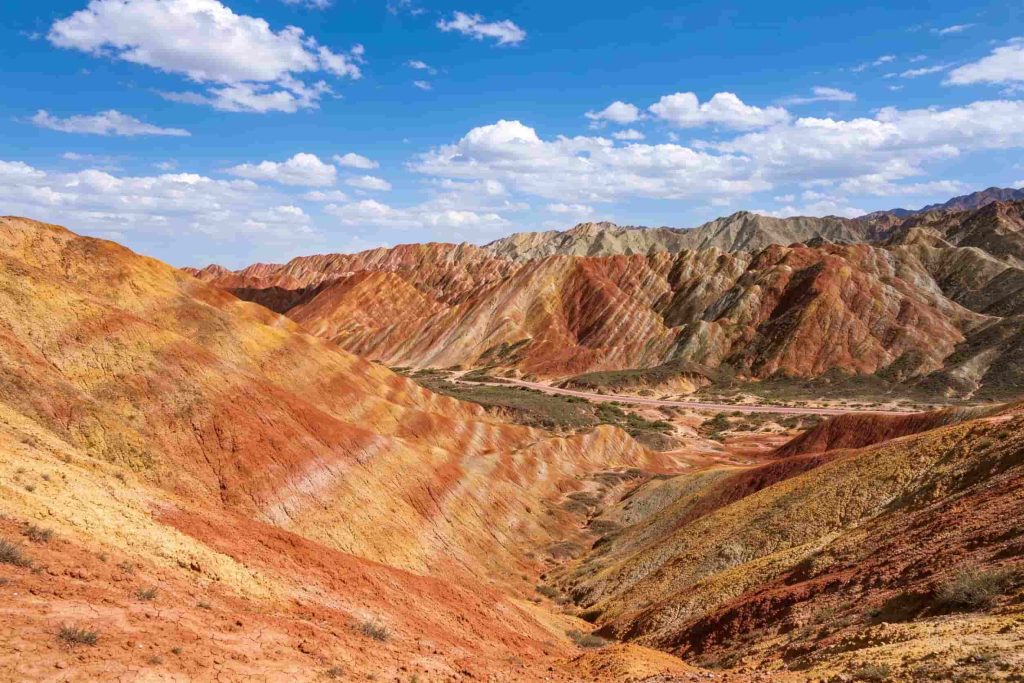
Broadly, China's landscape falls into a few great zones, each offering a different kind of travel experience:
China has every climate from subarctic to tropical, but most destinations share two comfortable windows: spring (April–May) and autumn (September–October). The extremes are worth knowing:
China is one of the most biodiverse countries on Earth. Its protected areas range from giant panda reserves in Sichuan to the wetland bird sanctuaries of Jiangsu and the highland habitats of the Tibetan Plateau. Conservation is increasingly visible: forest cover has been expanding, and national parks are being developed for sustainable tourism. For nature lovers, the standout experiences are the panda sanctuaries around Chengdu, the karst landscapes of Guilin and the seasonal bird migrations along the east coast. Many of these areas have strict visitor rules — booking ahead and travelling with a guide helps you see them responsibly.
Because the country is so large, avoid trying to see everything at once. A well-paced itinerary links a few contrasting regions rather than rushing across the whole map. High-speed rail works brilliantly along the east, while the west and mountain regions reward a slower, guided journey with private transport.
Tip: Altitude matters more than distance in China. If your plan includes Tibet or Yunnan's highlands, allow an acclimatisation day and tell your guide about any health conditions. We build itineraries around the landscape — the right pace for the right terrain.